Live Dealer Games at 1Win: Tables, Limits and Pace
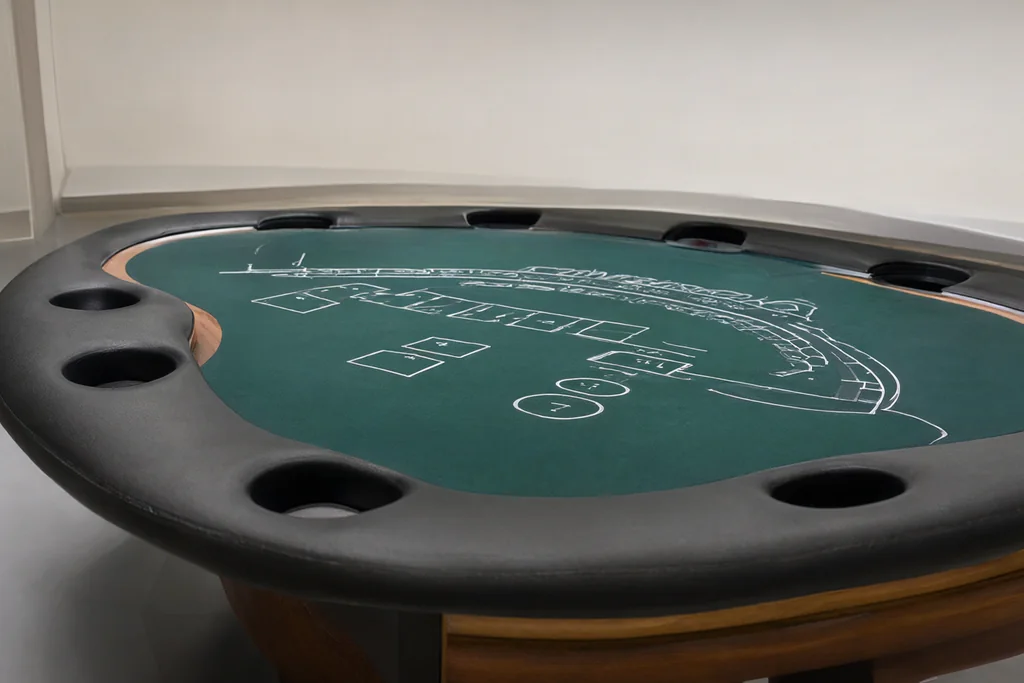
A live dealer table is a studio, not a machine. A real person deals real cards in front of a camera, and the software only handles betting, timing and payouts. That difference changes the pace of play, the limits you can find, and the kind of mistakes players make — because there is no pause button and no auto-play.
This guide explains how the format is built, what the dealing clock does to decisions, where the cost sits compared with software tables, and what to check before sitting down.
How a live table is built
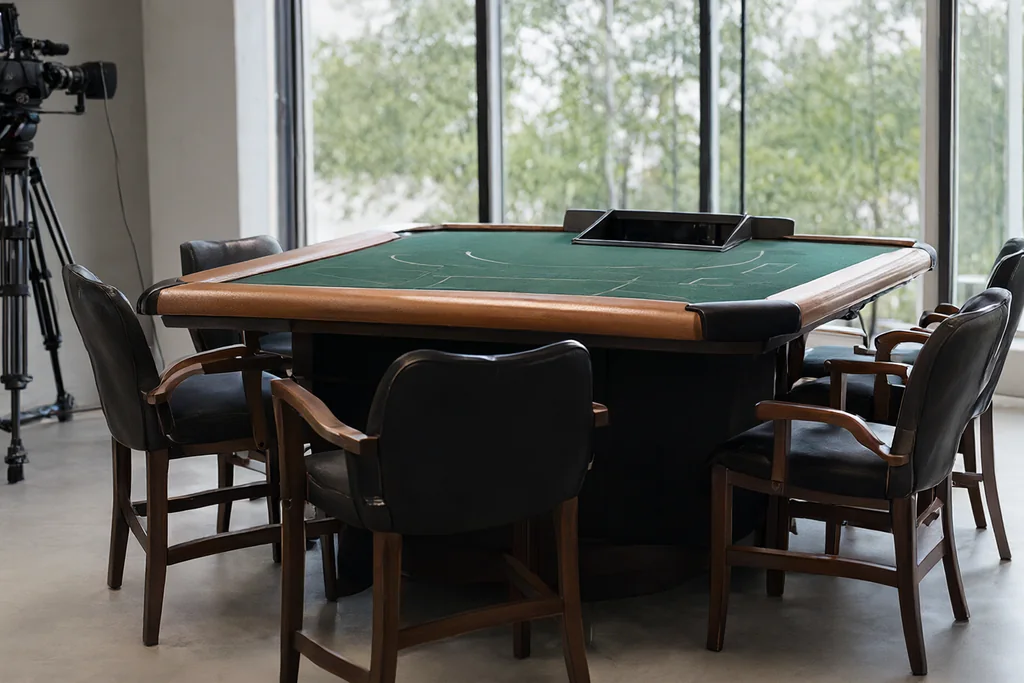
Three parts work together: the studio with its table and cameras, the game interface in your browser or app, and a rules engine that validates bets and settles results. Cards and wheels are physical. The random element comes from the equipment, not from a generator, which is why some players prefer the format — though the house margin is set by the game rules in exactly the same way.
The dealing clock changes your behaviour
Live tables run on a fixed cycle: betting opens, betting closes, the deal happens, the result is settled. There is no room to reconsider after the clock starts, and no way to slow the table down. In practice, that removes the endless second-guessing which software tables allow — but it also means a bet placed in haste cannot be undone.
- Betting window — usually a few seconds; the countdown is visible on screen.
- No auto-play — each round requires a decision.
- Session length — the dealer's rhythm sets the pace, not your preference.
What it costs compared with software tables
| Format | Cost driver | What it means for you |
|---|---|---|
| Live tables | Studio, staff and streaming costs | Rules often give the house slightly more than the software version |
| Software tables | Development and licensing | Usually tighter margins and lower minimums |
| Live game shows | Production plus a bonus round | Side bets carry the margin; check each one |
The exact figure is printed in the game rules for each table. Comparing two versions of the same game is the only honest way to see the difference.
Limits and table selection
Live tables usually start higher than their software equivalents, because a studio table has to be worth staffing. Limits are printed on the table card before you join, and they differ between tables of the same game. A player whose bankroll only supports the software minimum is not losing anything by staying there.
Practical checks before you sit down
- Game rules — the payout table and the number of decks are stated per table.
- Dealer language and time zone — studios are regional, so table hours vary.
- Connection — a live stream needs stable bandwidth; a dropped connection does not pause the table.
- Deposit limits — set them before joining, not after a fast session.
Where the format fits
Live dealer suits players who want a fixed rhythm and a visible process, and who have already decided their budget. It suits them less if they want small stakes, long thinking time, or the ability to stop mid-hand — none of which the studio offers.
For the surrounding sections see the casino guide; if game-show formats are the interest, the game shows guide covers their bonus rounds, and the blackjack guide explains the rules that live tables use.
Ready to play?
Register with your own details and check the current offer terms.